
Bachata Nights in Dublin Temple Bar — What to Expect
Your guide to the weekly social events where adults over 45 come together to dance, connect, and enjoy authentic bachata in one of Dublin's most vibrant neighborhoods.
7 min read
Beginner
May 2026

Siobhan O'Connell
Senior Latin Dance Events Editor
Certified Latin dance instructor with 14 years of experience designing beginner-friendly bachata and salsa programs for adults over 45 across Ireland.
What Makes Temple Bar Special
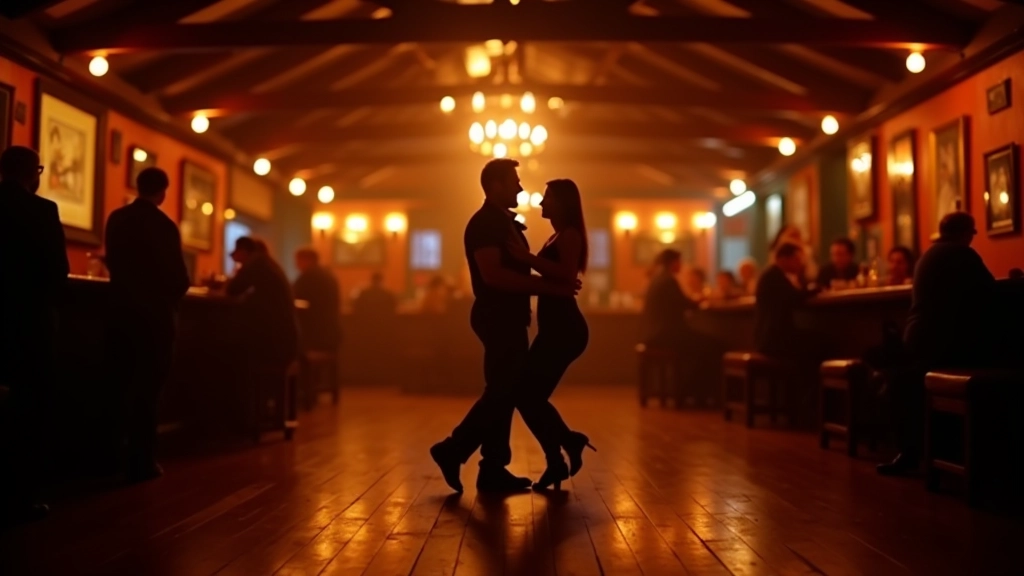
Temple Bar isn't just a neighborhood — it's Dublin's cultural heartbeat. Stone-paved streets, historic pubs, and energy that pulses until late into the evening create the perfect backdrop for bachata nights. The weekly gatherings here have become something of a tradition for dancers over 45 who want to improve their skills without the pressure of competitive environments.
Here's what you'll actually encounter when you show up on a Friday or Saturday night. We're not talking about overcrowded clubs or judgment from experienced dancers. Instead, you'll find welcoming instructors, music that moves you, and a community that genuinely wants everyone to enjoy themselves.
The Atmosphere You'll Experience
The first thing that hits you when you walk in is the music. Not the pounding bass of a nightclub — proper bachata. Romantic, rhythmic, sensual. The volume's set so you can actually hear the instructor when they're teaching, but loud enough that it fills the space with energy.
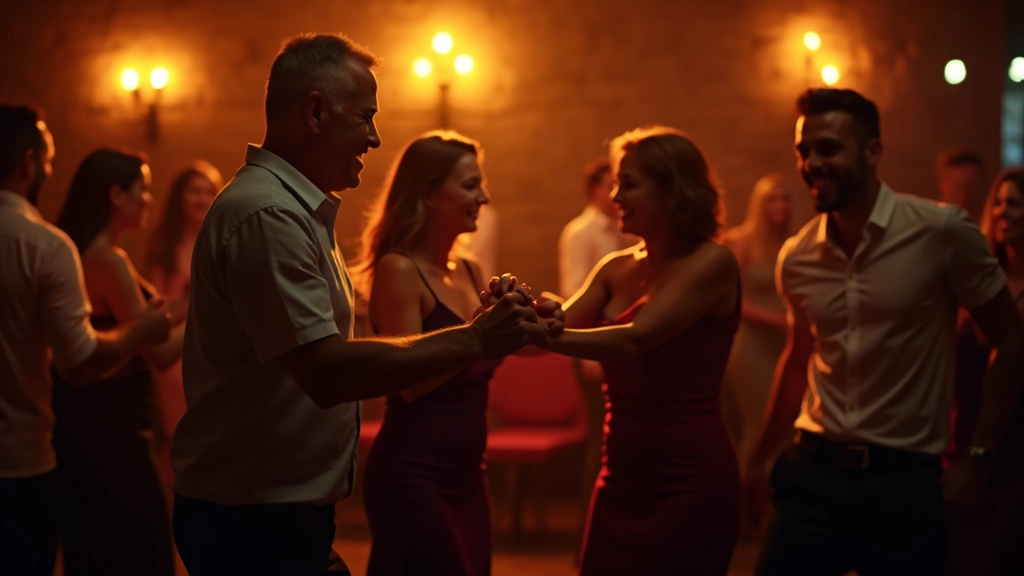
The lighting's warm. Golden, amber tones from pendant fixtures and wall sconces. It's intimate without feeling awkward. You'll see couples dancing, some smooth and practiced, others still learning the basic step. Nobody's watching anyone critically. That's the rule here.
The crowd's mixed ages within that over-45 range. Some are in their late 40s just discovering dance. Others are in their 60s and have been dancing for years. The instructors make sure everyone feels included. They'll offer modifications, give individual feedback, and genuinely seem to care whether you're having fun.
Important Note
This article provides educational information about bachata events and dance culture in Dublin. Event schedules, venues, and formats may change. We recommend contacting venues directly or checking social media for current details. Always consult with healthcare providers before starting any physical activity, especially if you have pre-existing conditions.
What to Wear and Bring
Dress code is casual but smart-casual. You'll see people in jeans and nice tops, dresses, trousers with blazers. The key is wearing something you can move in comfortably. Avoid anything too restrictive around the hips or shoulders since you're rotating and swaying a lot.
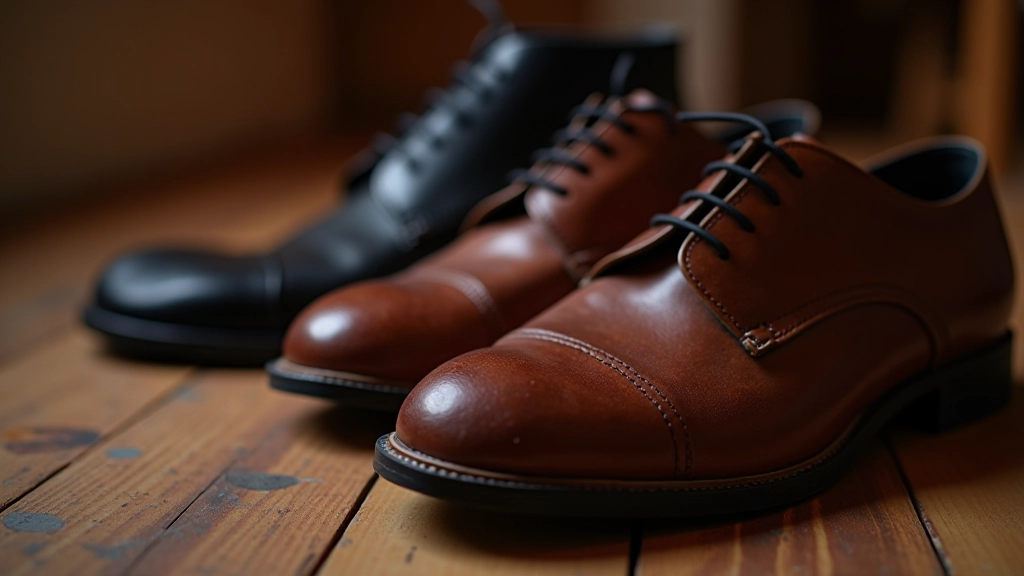
Shoes matter more than you'd think. Smooth-soled dance shoes work best — they let you pivot without your foot catching on the floor. If you don't have dance shoes yet, clean leather-soled shoes are fine. Just avoid trainers or anything with heavy tread. Most people bring a small bag with water and a towel. You won't be drenched, but you'll work up a light sweat depending on how many songs you dance to.
Arrive 10-15 minutes early if it's your first time. This gives you a chance to settle in, watch others, and chat with the instructors about what to expect. They're used to beginners and won't throw you into the deep end.
How the Evening Actually Flows
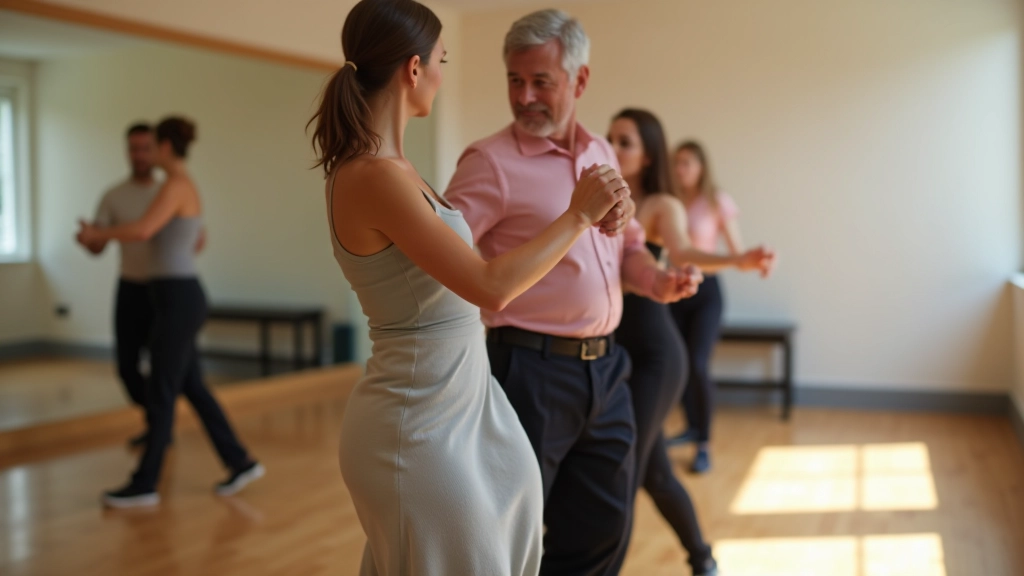
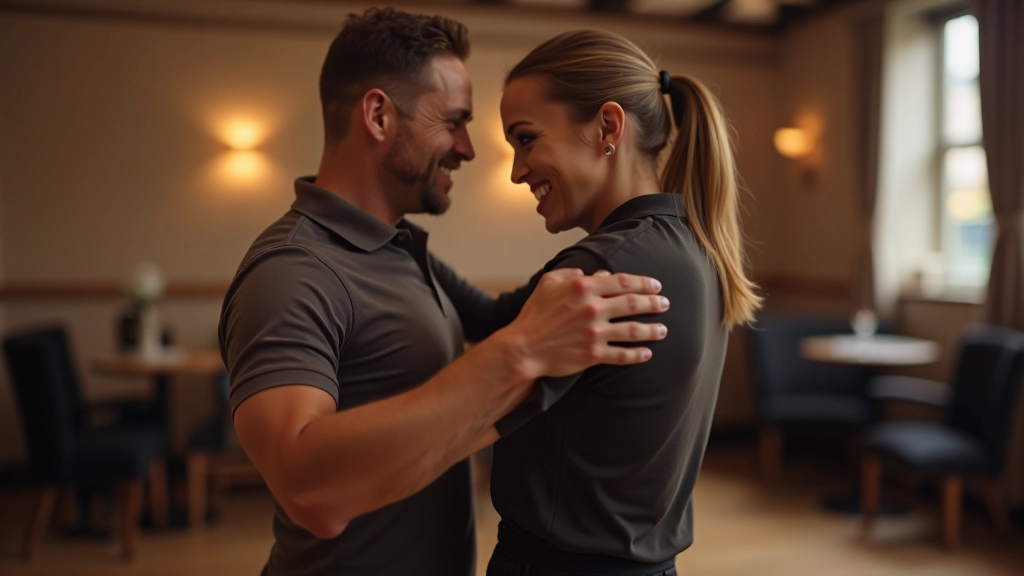
Most sessions run 2-3 hours. They typically start with a structured lesson for about 45 minutes. The instructor breaks down basic steps, shows how to move with a partner, and answers questions. Don't worry if you've never danced before — they assume nothing and build from absolute fundamentals.
After the lesson, there's usually a break. This is when people grab drinks, chat, and decide whether they're dancing in the social portion or just watching. There's zero pressure either way. The social dancing that follows is where you actually apply what you learned. Music plays, couples form, and you dance for 3-5 minutes per song. Then you swap partners or sit out if you need a rest.
The whole vibe is collaborative, not competitive. Partners are helping each other learn. If someone's struggling with timing, their partner adjusts to help them find the rhythm. It's genuinely supportive.
Common Worries (And Why They're Not Worth It)
"I'm too stiff to dance." You're not. Bachata's built for real bodies, not gymnasts. The basic step is literally a step side, together, step back. You learn it in the first 5 minutes. Everything else is just variations on that foundation.
"I'll embarrass myself." Everyone there has felt awkward at some point. The instructors have seen every possible beginner mistake hundreds of times. They're not judging — they're helping. Plus, the room's usually dim enough that you're not under a spotlight anyway.
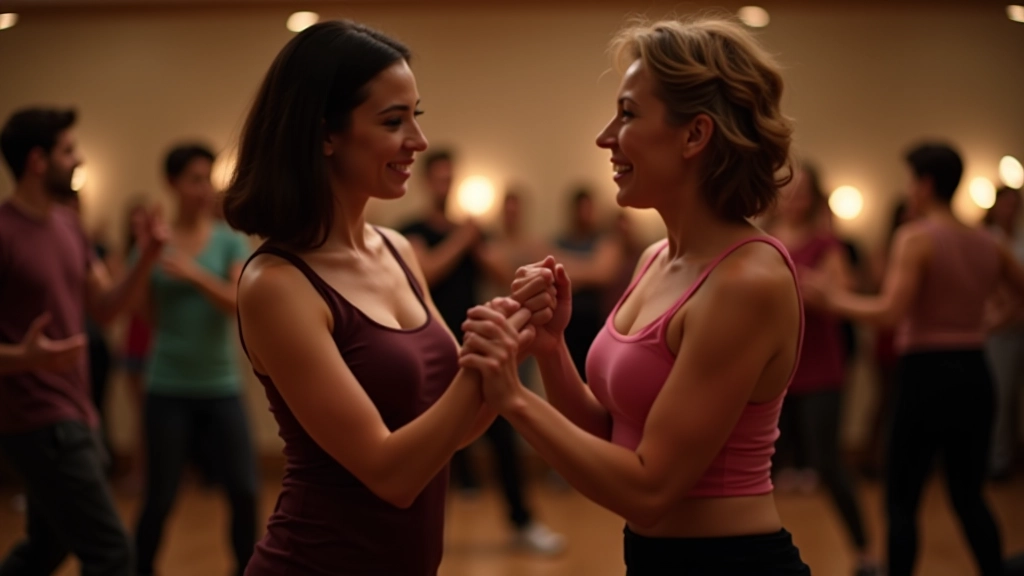
"I don't have a partner." The instructors pair people up during lessons. In social dancing, men typically ask women to dance, but it varies. Some venues rotate partners intentionally so nobody sits out. You'll dance with different people, which actually helps you learn faster because you adapt to different leading styles.
"What if I can't keep up?" They structure lessons so absolute beginners can follow. You're not learning 20 steps in one night. It's progressive — step, basic rhythm, then slight variations. Most people pick up the fundamentals in their first or second session.
Getting Started
Show up. That's genuinely it. You don't need experience, special shoes, or dancing genes. You need curiosity and willingness to move your body to music for a couple of hours. Temple Bar's bachata nights have this rare quality where you can be a complete beginner and still have a genuinely good time.
The community's built on the idea that everyone deserves to dance, regardless of age or experience. You'll notice that pretty quickly when you walk in. It's not pretentious. It's not intimidating. It's just people over 45 who've decided that learning something new together is worth showing up for.
Bring comfortable shoes, an open mind, and you're ready. The music, the movement, the people — they'll take care of the rest.
Related Articles
Explore more about Latin dance events and learning opportunities
Social Dance Meetups in Limerick — Community Gatherings
Discover the weekly Latin dance meetups happening in Limerick. These aren't structured classes — they're informal social events where dancers of all levels come together.
Basic Latin Dance Steps — Footwork Fundamentals
Learn the essential footwork patterns used in both salsa and bachata. This guide covers the foundation movements every beginner needs to master.