
Beginner Salsa Classes in Cork — Getting Started
Everything you need to know about starting salsa in Cork. No experience required, no age limit, and no reason to feel nervous about your first class.

Why Cork Is Perfect for Learning Salsa
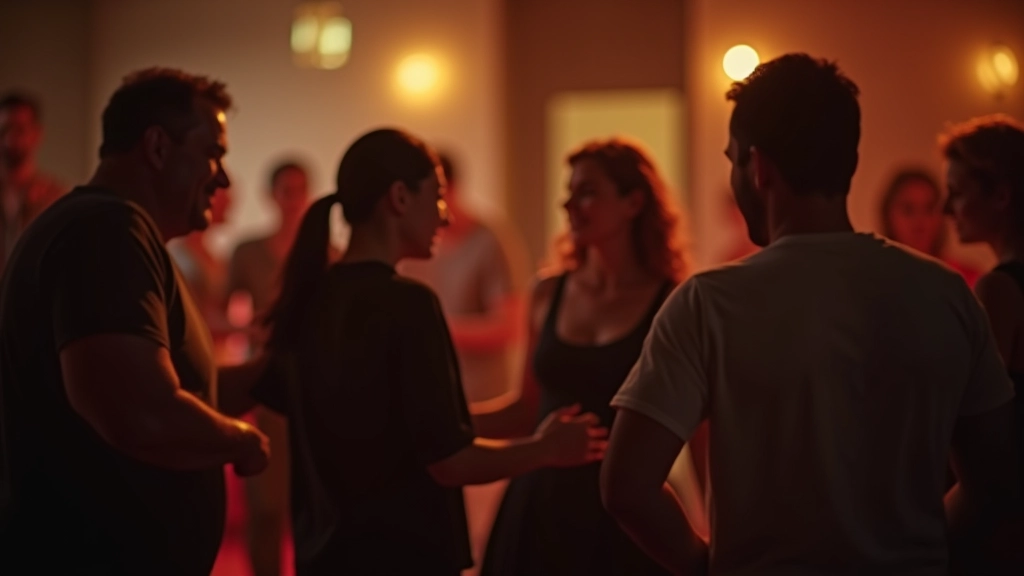
Cork's dance community isn't intimidating. You're not walking into a room full of experienced dancers who'll judge your footwork. What you'll find instead is a mix of people—some in their first week, others who've been dancing for years—all there because they genuinely enjoy it. The beginner classes are designed around the reality that most people starting salsa feel a bit uncertain at first.
Most beginner programs in Cork run two to three times per week. Classes typically last 60 to 90 minutes, and they're structured so you're not thrown into anything complex before you've got the basics down. We'll cover what to expect, what you'll actually learn in those early weeks, and why there's no such thing as being "too old" to start dancing.
How Beginner Classes Are Structured
1
Warm-Up & Basics (10-15 minutes)
You'll start with light stretching and basic rhythm work. No complicated moves yet—just getting your body ready and tuning your ear to the music.
2
Fundamental Steps (25-30 minutes)
The core footwork patterns get introduced. You'll learn the basic step, side steps, and how weight shifts work. It's repetitive by design—that's how your body learns the rhythm.
3
Partner Work (20-25 minutes)
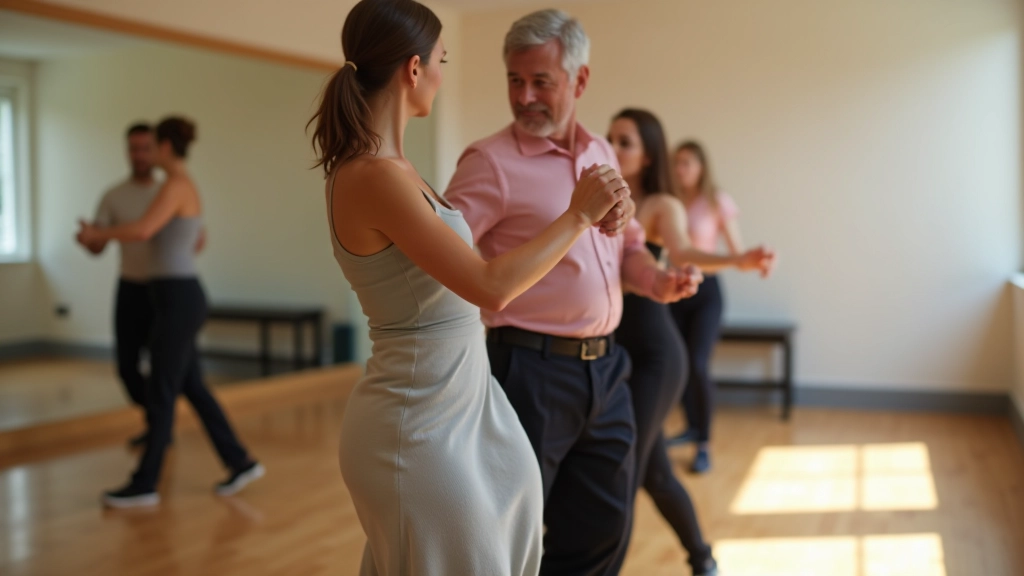
You'll partner with someone to practice what you've learned. Don't worry—instructors rotate partners frequently so you're not stuck with the same person every class.
4
Cool Down & Feedback (5-10 minutes)
You'll finish with stretching and a quick recap. Instructors answer questions and often give personalized tips for improvement.


What You'll Learn in Your First Month
The first four weeks of salsa classes focus on one thing: getting comfortable with the basic step. This is the foundation everything else builds on. You're learning to move your hips independently from your upper body, which feels strange at first but becomes natural pretty quickly.
The Basic Step
A three-count pattern forward and back. You'll practice this for weeks because it's the rhythm backbone of salsa.
Weight Shifts
Understanding where your weight goes with each step. This prevents you from looking stiff and keeps your movement flowing.
Rhythm Recognition
Your ear develops alongside your feet. You'll start hearing the clave rhythm in music without thinking about it.
Basic Partner Connection
How to lead and follow with gentle hand pressure. It's a conversation, not a fight for control.
By week four, you'll feel the rhythm in your body, not just in your head. That's when salsa stops being a list of steps and starts being fun.
Educational Note: This article is informational and based on common beginner salsa class structures in Cork. Individual classes may vary in format, duration, and progression speed. Always check with your specific dance studio for their class schedule, structure, and any physical requirements before enrolling. If you have health concerns or injuries, consult with a healthcare provider before starting any new physical activity.
Getting Ready for Your First Class
The practical stuff matters. You want to feel prepared, not flustered, when you walk in for your first session.
What to Wear
Comfortable clothes you can move in. You don't need special dance clothes—regular joggers or leggings work fine. Avoid anything too loose that'll get in your way or too restrictive. Shoes matter though. You'll want something with a smooth sole that lets your feet pivot without catching on the floor.
Timing & Arrival
Show up 10-15 minutes early. You'll have time to meet the instructor, ask any questions, and get settled before class starts. Most studios are relaxed about this—instructors expect beginners to be a bit nervous.
Physical Expectations
Salsa is active. You'll be on your feet for most of the class, moving continuously. It's not high-impact like running, but you'll feel it in your legs and core. Most people aren't sore afterward, but you might feel muscles you forgot you had.
Mental Prep
You'll probably mess up steps. Everyone does. Instructors know this. The people around you are focused on their own footwork, not judging yours. The culture in beginner classes is supportive—people want each other to succeed.

Realistic Progress Timeline
What can you actually expect in terms of improvement? Here's what most beginners experience in Cork salsa classes.
Weeks 1-2
You'll feel uncoordinated. Your feet don't know what to do while your hips move. This is completely normal. You're building new neural pathways—your brain and body aren't connected yet. By the end of week two, the basic step starts feeling slightly more automatic.
Weeks 3-4
Something clicks. You'll have moments where you stop thinking about each step and just move. These moments are brief—maybe 10 seconds—but they're real. You're starting to feel the rhythm instead of counting it.
Weeks 5-8
You can dance a full song without stopping to think about the next step. Partner work becomes less awkward. You're not graceful yet, but you're competent. People can tell you've trained for a few weeks.
Weeks 9-12
You've got muscle memory now. New variations get easier because your foundation is solid. You're ready to move into intermediate classes if you want, or you can stay in beginner and deepen your technique.

The Real Truth About Starting Salsa
You don't need to be young, fit, or coordinated to start salsa in Cork. You just need to show up. The dance community here isn't exclusive—it's actually the opposite. Studios fill their beginner classes because people want to learn, and instructors know how to teach complete beginners.
Will your first class be awkward? Probably a bit. Will you feel self-conscious? Maybe. Will you improve if you keep showing up? Absolutely. Most people who stick with salsa for more than a month end up loving it. They find the rhythm, they meet people, and they discover they're capable of something they never thought they could do.
Cork's salsa classes are designed for exactly where you are right now. There's no better time to start than today.