
Basic Latin Dance Steps — Footwork Fundamentals
Master the essential footwork patterns used in salsa and bachata. This guide breaks down the basic steps you'll practice in beginner classes across Ireland.

Why Footwork Matters
You've probably noticed dancers gliding across the floor with such ease. It's not magic — it's footwork. The foundation of every Latin dance step comes down to how your feet move, where your weight goes, and how you keep rhythm with the music. We're not talking about complicated choreography here. It's about understanding the basic patterns that'll get you moving confidently in your first few classes.
Whether you're learning salsa in Cork or taking a bachata class in Dublin, the fundamental footwork is remarkably similar. Once you get these basic patterns down, everything else builds on them. You'll be surprised how quickly things click once your feet understand the rhythm.
The Basic Step — Your Starting Point
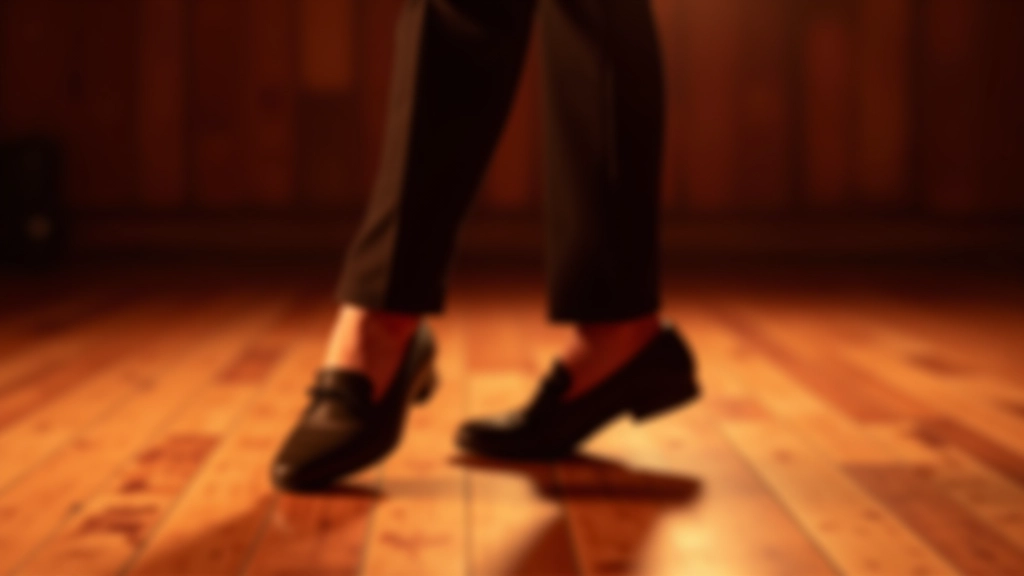
The basic step is where you'll spend the first few weeks. Here's what's happening: you're stepping forward on beat 1, stepping back on beat 5, and rocking in place on beats 3 and 7. That's it. The music's got 8 beats, and your feet hit counts 1, 2, 3, 5, 6, 7. Count 4 and 8 are pause beats where your weight settles.
Why does this matter? Because every turn, every spin, every fancy move you'll learn later is just a variation of this basic pattern. Your coach won't tell you to memorize numbers — you'll feel it. The music does most of the work. After a few sessions, your body just knows where to go next.
Pro tip: Don't overthink the footwork at first. Focus on staying on beat. The actual foot positions will feel natural once your body syncs with the rhythm. Most people get this down within 3-4 classes.
Learning Note: This article describes the fundamental footwork patterns taught in beginner Latin dance classes. Individual instructors may teach variations of these steps based on their experience and dance style. Always follow your instructor's specific guidance during classes, especially regarding body positioning and safety. Everyone learns at their own pace — don't rush the basics.

Weight Transfer — The Hidden Magic
Here's where most beginners struggle: weight transfer. You're not just moving your feet — you're shifting your body weight from one foot to the other. This is what makes the difference between looking stiff and looking smooth.
When you step forward on count 1, your weight goes with that foot. Count 2, you're settling that weight. Then you're reversing the whole thing on count 5. It's a simple idea, but it takes practice to make it feel natural. Your hips naturally follow your weight — you don't have to think about moving your hips separately. That's the secret most beginners don't realize.
Start slow. Really slow. Feel where your weight is at each moment. Once your body understands the weight shift, you can add speed and style. But rushing this part just creates bad habits.
Timing and Rhythm — Staying With the Music
Latin music has a specific rhythm. You'll hear it immediately in bachata — it's slower, more sensual, around 110-130 beats per minute. Salsa moves faster, typically 160-220 bpm. But the footwork structure stays the same. You're still stepping on 1, pausing on 4, stepping back on 5, and settling on 8.
The tempo changes, but the pattern doesn't. This is actually really helpful because once you learn the basic step, you can dance to any song in that style. Your feet already know what to do.
Timing Checklist:
- Beat 1: Step forward (usually with left foot)
- Beats 2-3: Continue forward movement
- Beat 4: Hold, weight settles
- Beat 5: Step back (weight shifts back)
- Beats 6-7: Continue back motion
- Beat 8: Hold, reset for next cycle
How to Practice — Building Your Foundation
You don't need a dance partner to practice the basics. You don't even need music at first. Here's what actually works:
Practice Without Music
Count out loud. 1-2-3, pause, 5-6-7, pause. Do this 10 times every day for the first week. Your feet will start remembering the pattern before the music even plays.
Add Music Slowly
Start with slower songs (around 110 bpm). Once you can do the basic step without thinking, try faster music. You're not trying to look good yet — you're building muscle memory.
Mirror Work
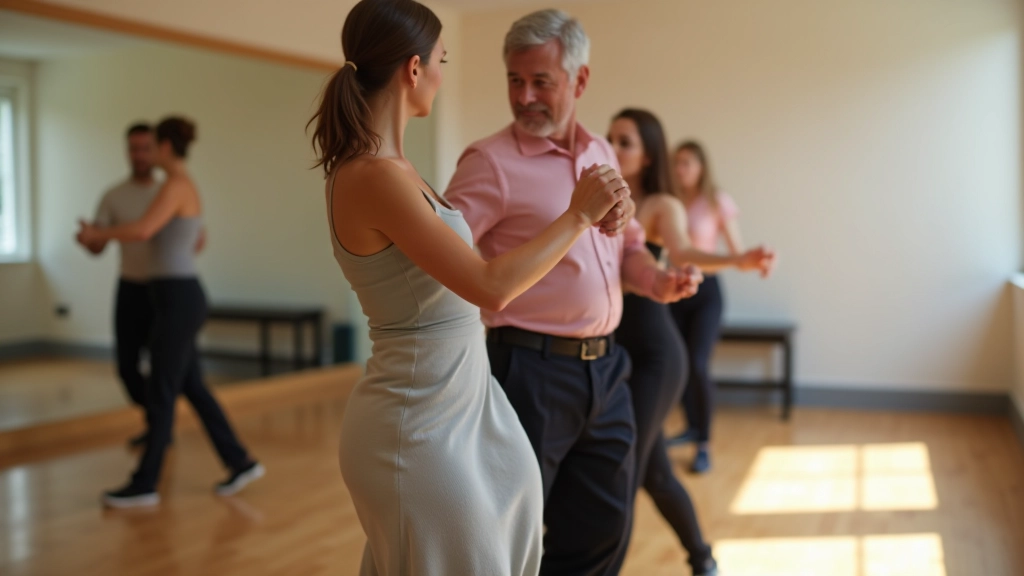
Stand in front of a mirror and watch your weight shift. You'll see if you're staying balanced or leaning too far forward. This is incredibly helpful for fixing problems before they become habits.
Consistent Small Sessions
15 minutes daily beats one 60-minute session per week. Your feet learn through repetition. Even 10-15 minutes at home makes a real difference between classes.
After You've Mastered the Basics
Once the basic step becomes automatic — and it will, usually within 4-6 weeks of regular practice — you're ready to build on it. Everything else is just a variation or extension of this fundamental pattern.
You'll learn side steps, underarm turns, spins, and eventually more complex patterns. But they all come back to that same 1-2-3, pause, 5-6-7, pause structure. Your feet already understand the language. Everything else is just vocabulary.
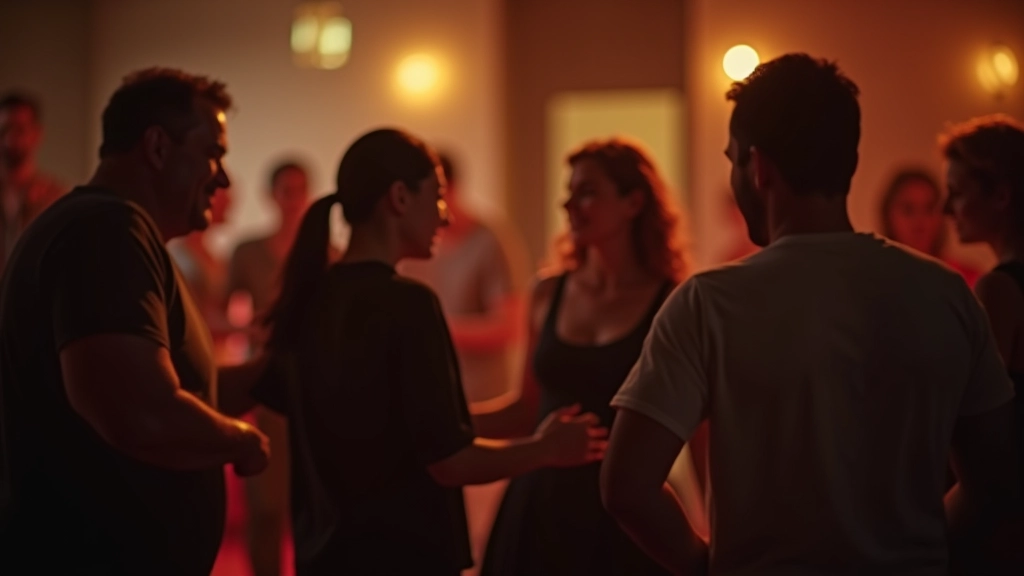
The people you see dancing confidently at social events in Dublin's Temple Bar or Cork's dance venues? They've mastered the basics so well they don't think about them anymore. That's your goal. Not perfection — just familiarity.

Start Your Footwork Journey
The basic Latin dance steps aren't complicated. They're just a pattern — one you'll internalize quickly with consistent practice. What makes dancers look great isn't perfect technique on day one. It's understanding the fundamentals and building from there.
Whether you're joining a beginner class in Cork, attending a social night in Dublin, or practicing in your living room in Limerick, you're starting the same way everyone else did. With the basic step. Master it, and everything that follows becomes much easier.
Your first class is the hardest part. After that, you'll be amazed at how quickly your feet remember the rhythm. Let's dance.